
Experience Design
In a saturated market of infused edibles and topicals, creating unique experiences that are reliable and predictable can be a market differentiator.
Selecting inputs
We understand that without a solid background in hemp and cannabis, attempting to understand and navigate the supply chain can be extremely overwhelming. Even with deep knowledge in the cannabis space, there is a glaring lack of consistency in terminology across the industry. Below you will find a catalogue of available inputs, along with descriptions of their uses and properties. We hope this guide will empower you to craft the experiences you want to share with the world. And if you still have questions - don't worry. Our knowledgable team will guide you every step of the way.
Tetrahydrocannabinol (THC)
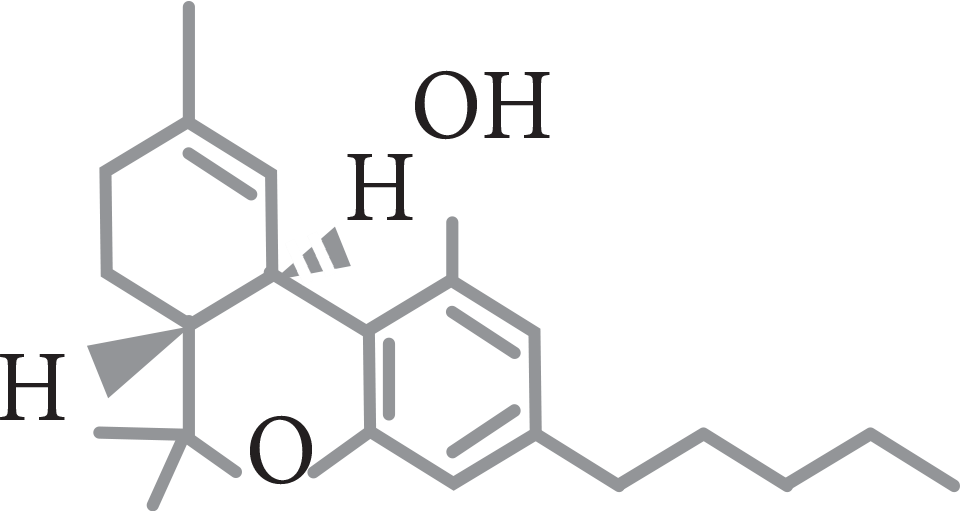
Tetrahydrocannabinol (THC) is the main psychoactive compound in the cannabis plant known for producing the “high” sensation. THC is used commonly for both medicinal and “recreational” purposes alike. THC is typically used for pain, low appetite, nausea, and anxiety.
Available in all markets.
Cannabichromene

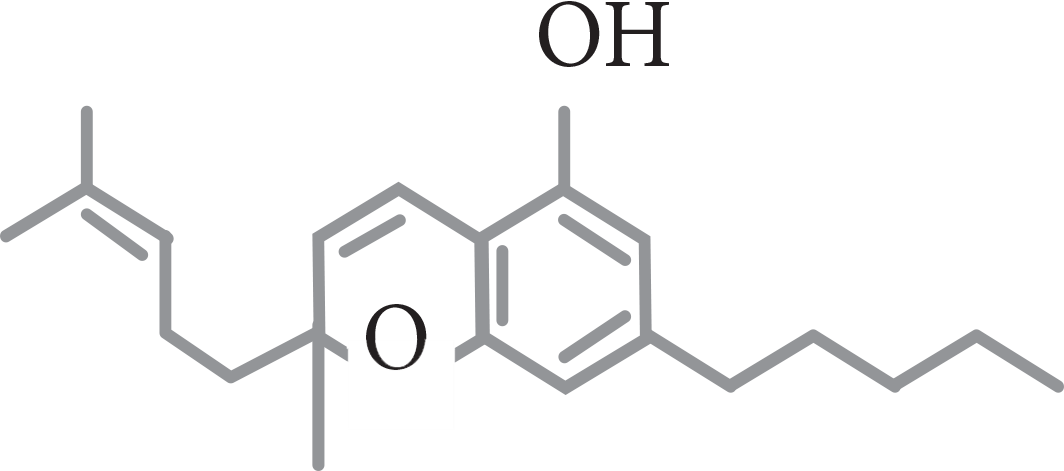
Cannabichromene (CBC) is non-psychoactive and among the most potent and multi-purpose cannabinoids in existence. Studies exhibit that CBC has antifungal, antibacterial, anti-acne and wide-ranging anti-imflammatory activities. CBC has also been shown to contribute significantly to the entourage effect, increasing efficacy of other cannabinoids vs. using a cannabinoid alone.
Available in Colorado, Massachusetts, Maine, Michigan, and Nevada.
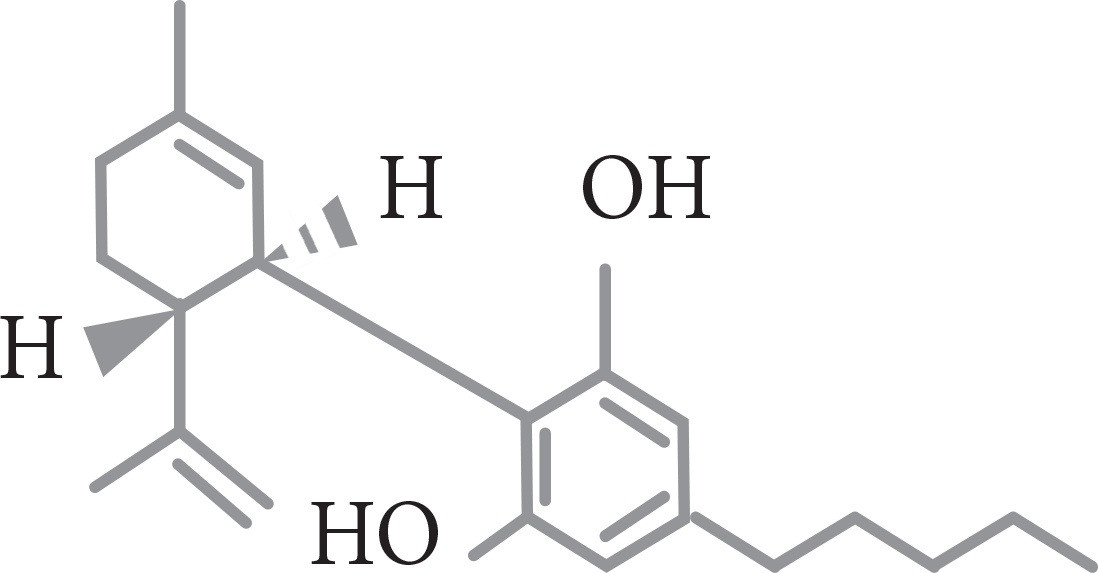
Cannabidiol (CBD)

Cannabidiol (CBD) is non-psychoactive and the most commonly-used cannabinoid. While its current uses are extremely wide ranging, CBD is most commonly used for managing anxiety, insomnia, and chronic pain. It is also used to prevent seizures and as relief to cancer symptoms.
Available in California, Canada, Colorado, Massachusetts, Maine, Michigan, and Nevada.
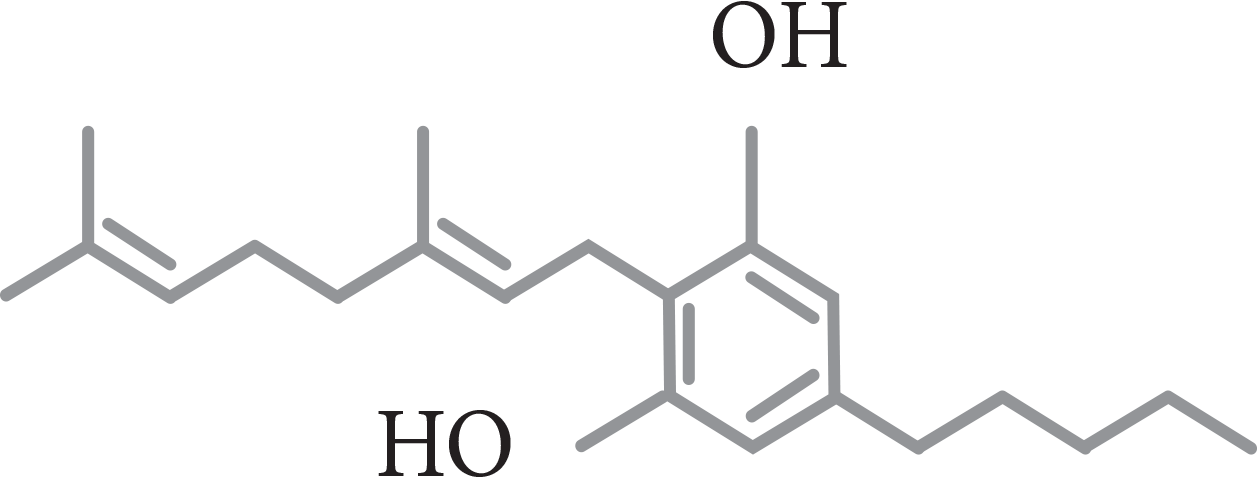
Cannabigerol (CBG)
Cannabigerol (CBG) is a non-psychotactive cannabinoid showing promise in treating many different medical conditions. Studies indicate CBD It has anti-oxidant, anti-inflammatory, and anti-bacterial properties and it may be the most effective cannabinoid at inhibiting the growth of cancer cells. CBG also shows great promise for treating skin conditions including psoriasis and eczema.
Available in Colorado, Maine, Massachusetts, Michigan, and Nevada.
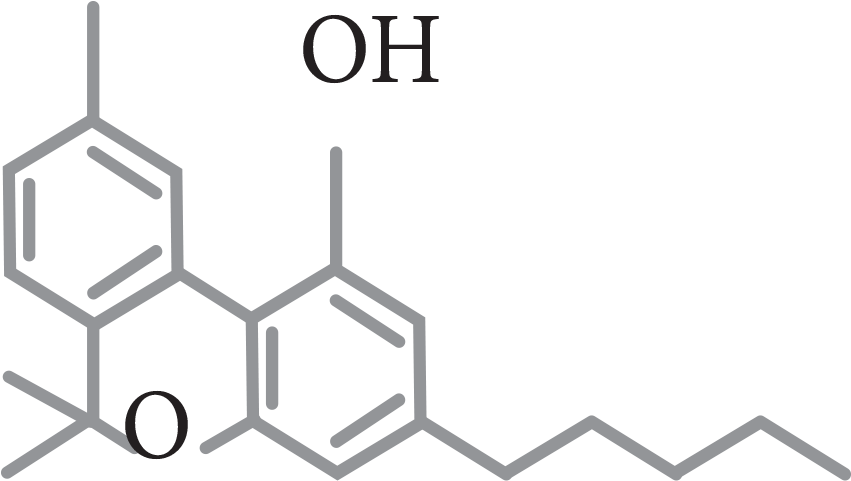
Cannabinol (CBN)
Cannabinol (CBN) is considered either non- or mildly-psychoactive. While it has shown many similar properties to other cannabinoids (anti-cancer, anti-bacterial), it is currently being indicated to act as a sedative that may aid in managing sleep and anxiety disorders, especially when paired with other cannabinoids.
Available in California, Colorado, Maine, Massachusetts, Michigan, and Nevada.
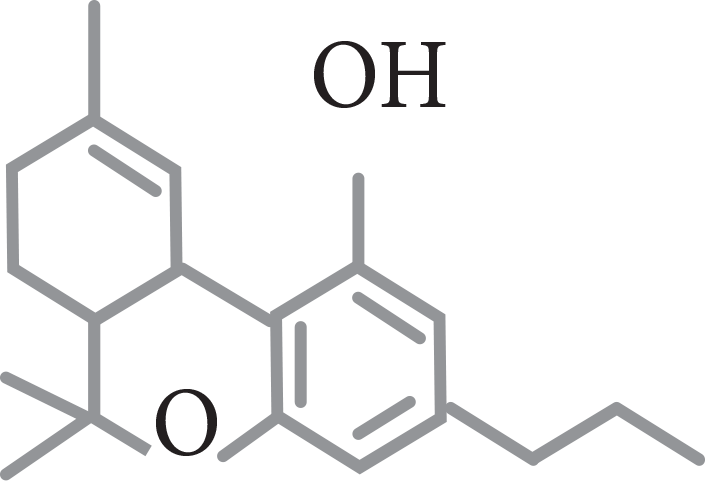
Tetrahydrocannabivarin (THCv)
Tetrahydrocannabivarin (THCv) is a derivative of THC, the main psychoactive component in the cannabis plant. THCv has shown to stimulate bone growth, help with Alzheimer’s, and have anti-anxiety and appetite suppressant properties. High dosing of THCv can product psychoactive effects, and therefore will likely have a complicated introduction into the hemp and cannabis supply chain.
Available in California, Colorado, Maine Masachussets, Michigan, and Nevada.

Myrcene
Myrcene, with its peaceful and relieving effect, is an earthy, citrusy terpene with an aroma suggestive of hops, cloves, and tropical fruits. Nuances of mint and mango are often detected in Myrcene’s strong fragrance. Myrcene can be naturally sourced from hops, thyme, lemongrass, mangoes, basil, and bay laurel leaves.
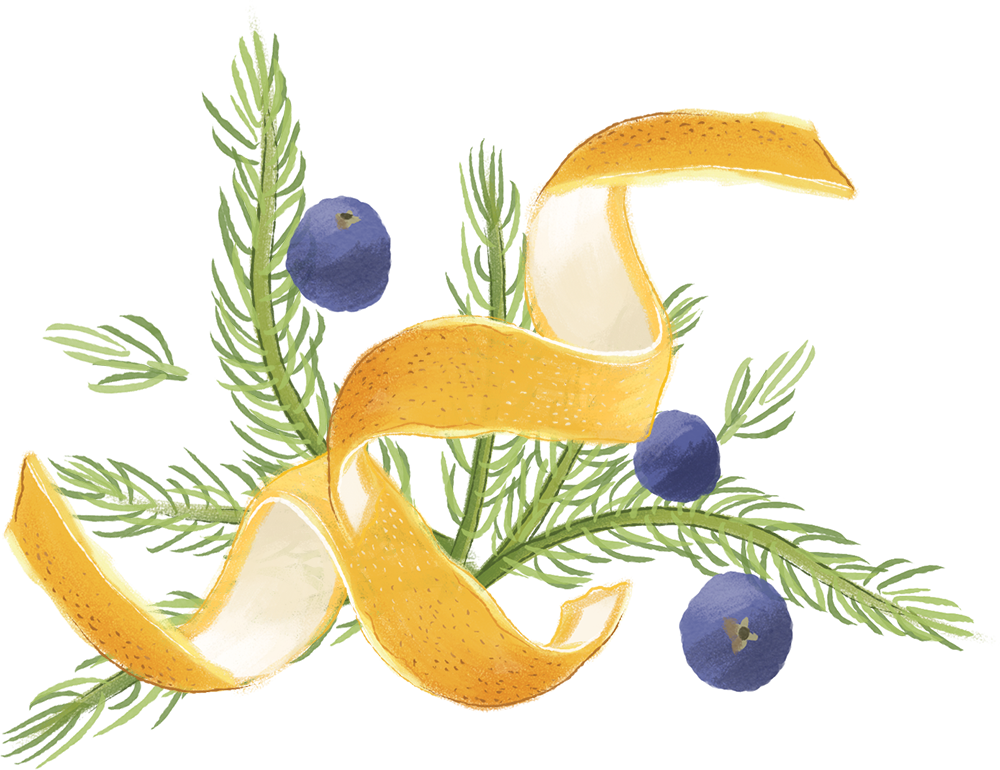
Limonene
Limonene is one of the most common terpenes and is found in citrus, juniper, and mint. It has been shown to possess anti-inflammatory and anti-oxidant properties and is used as fragrance in bath products and flavor in food manufacturing. Limonene is most commonly obtained from citrus fruits.
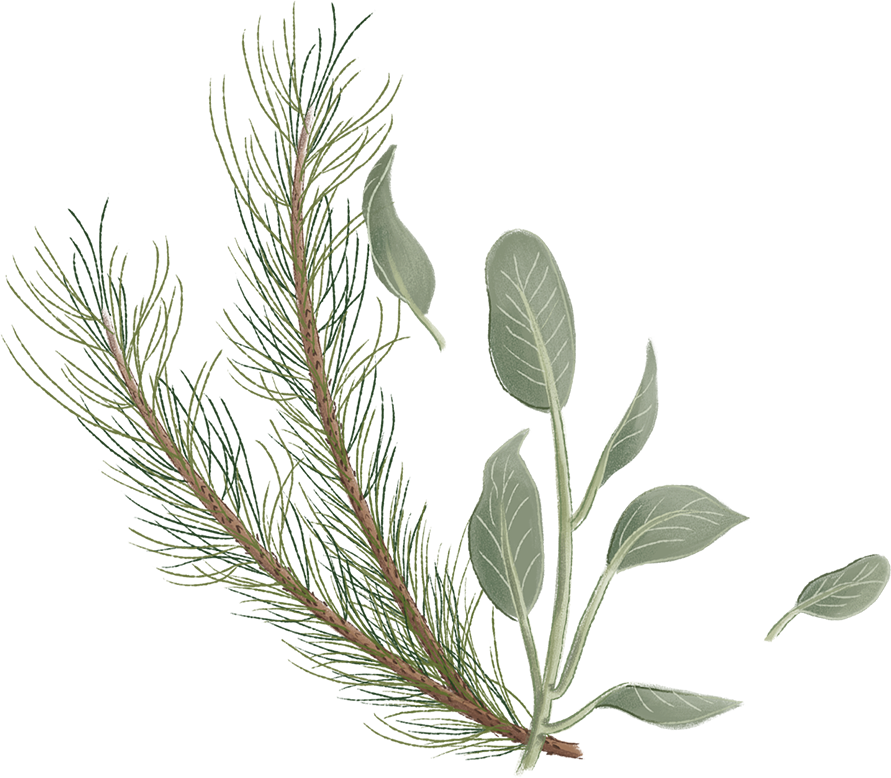
Limonene
Limonene is one of the most common terpenes and is found in citrus, juniper, and mint. It has been shown to possess anti-inflammatory and anti-oxidant properties and is used as fragrance in bath products and flavor in food manufacturing. Limonene is most commonly obtained from citrus fruits.
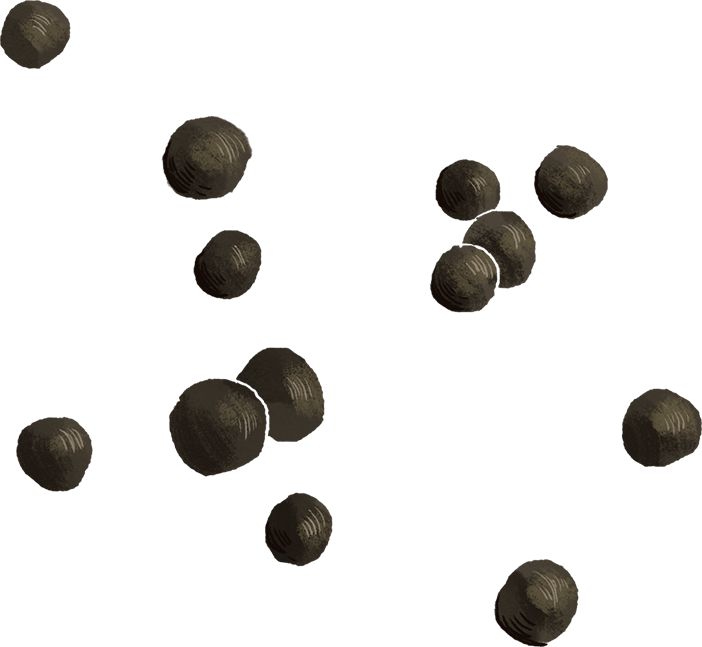
Beta Caryophellene
Beta Caryophyllene, helps to unwind and is a distinctively spicy-sweet terpene with a woody, clove-like aroma. Beta Caryophyllene can be naturally sourced from black pepper, black caraway, cloves, hops, basil, and oregano.
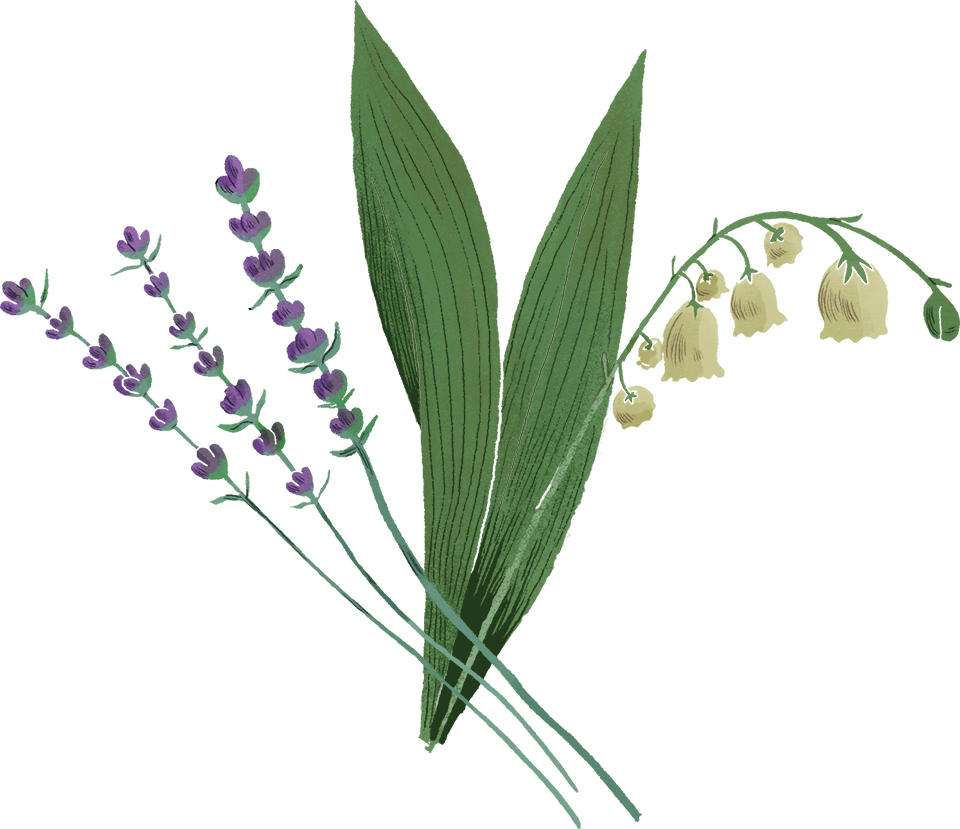
Linalool
Linalool is a floral terpene with spicy undertones and an aroma reminiscent of lavender and lily of the valley. Calming and soothing, this effect is ideal for nighttime. Linalool can be naturally sourced from a variety of plants, most commonly those in the mint family, the laurel family, and the citrus fruits family.
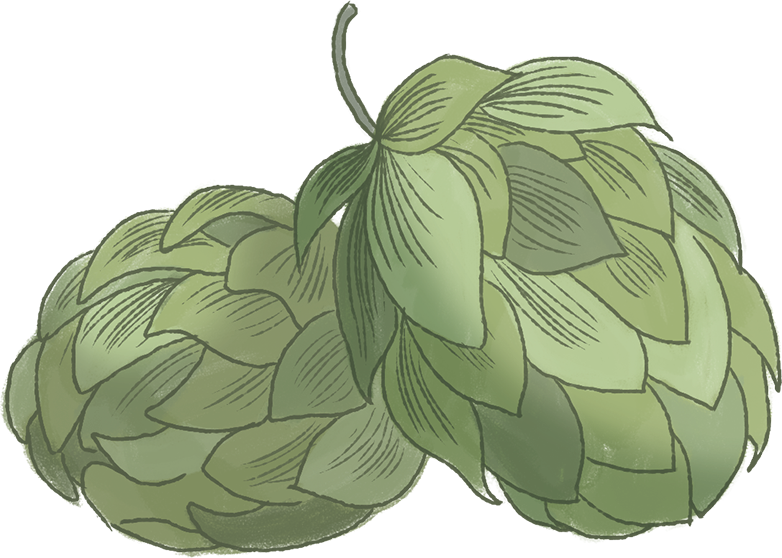

Cannabis Derived Terpene Bouquets

Myrcene, with its peaceful and relieving effect, is an earthy, citrusy terpene with an aroma suggestive of hops, cloves, and tropical fruits. Nuances of mint and mango are often detected in Myrcene’s strong fragrance. Myrcene can be naturally sourced from hops, thyme, lemongrass, mangoes, basil, and bay laurel leaves.

Hemp Derived Terpene Bouquets
Limonene is one of the most common terpenes and is found in citrus, juniper, and mint. It has been shown to possess anti-inflammatory and anti-oxidant properties and is used as fragrance in bath products and flavor in food manufacturing. Limonene is most commonly obtained from citrus fruits.
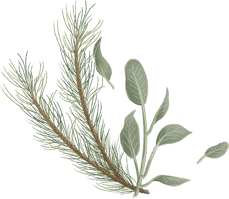
Botanically Derived Terpene Bouquets
While cannabis is rich with terpenes, there are many other plants in the world that create the same types. For example, Limonene is highly prevalent in citrus, and pinene is found in pine needles, trees, and sage. Botanically-derived terpenes are advantageous when looking to avoid tricky regulations surrounding cannabis.